using ai to predict lottery numbers Exploring the Reality Behind AI Lottery Predictions
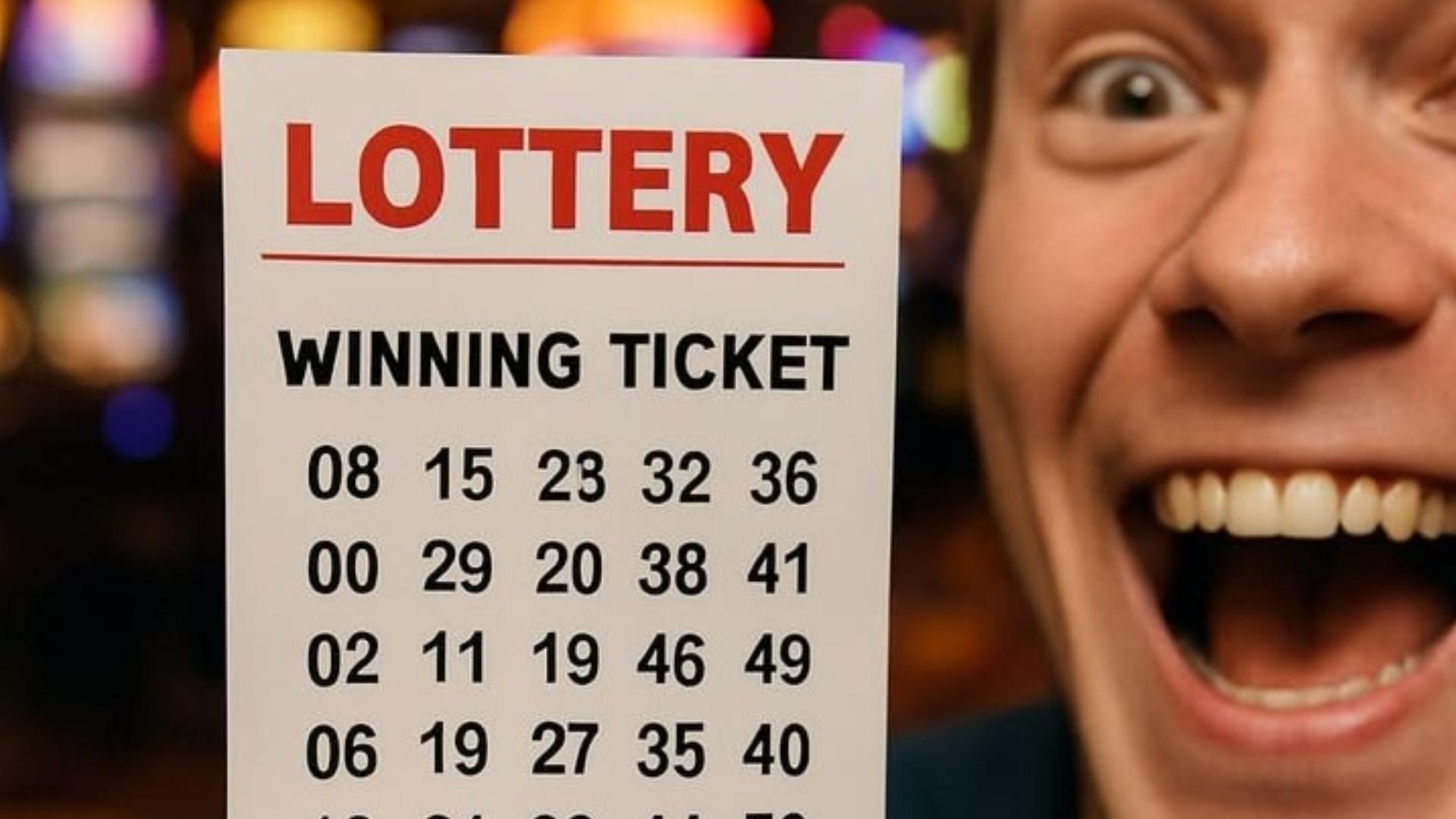
As artificial intelligence transforms industries ranging from healthcare to finance, many enthusiasts wonder if machine learning models can decode the random nature of lottery draws. The promise of using algorithm-driven insights to pick winning combinations has sparked widespread interest online. However, separating technological capability from mathematical reality is essential for anyone considering AI-assisted number selection.
How Artificial Intelligence Processes Historical Lottery Data
Machine learning models analyze massive datasets of past draw results to detect recurring sequences or statistical distribution patterns. These algorithms evaluate frequency, frequency gaps, and numerical clustering to construct probabilistic forecasts. Despite finding fascinating mathematical trends in past draws, these insights do not alter future probabilities.
Advanced neural networks excel at identifying complex structures within structured datasets, making them valuable across predictive fields. When applied to entertainment or odds systems like m88 msports login, statistical tracking helps users understand risk distribution and probability fundamentals. Nevertheless, historical outcomes in a fair lottery system remain completely independent from upcoming draws.
The Mathematical Limits of Machine Learning in Random Draws
Modern lotteries rely on certified physical mechanical systems or cryptographically secure random number generators to ensure fairness. Because each draw is an independent event, past results exert zero statistical influence over future numbers. Consequently, even the most sophisticated AI algorithm cannot overcome the fundamental laws of probability.
An artificial intelligence model can generate balanced number sets or eliminate highly improbable sequences that humans commonly overplay. While this optimizes how a player selects combinations, it does not mathematically increase the intrinsic odds of winning the jackpot. The probability of any specific set of numbers being drawn remains entirely fixed.
Practical Ways AI Tools Can Assist Lottery Players
Rather than treating artificial intelligence as a fortune-telling tool, players can use algorithms for strategic wheeling and entry management. Automated software can generate randomized coverage sets that ensure no duplicate numbers exist across multiple purchased tickets. This organized approach streamlines ticket purchasing while avoiding human bias toward birthdates or lucky numbers.
Additionally, algorithmic analysis helps players avoid popular number combinations that frequently lead to split jackpots. Choosing less common numerical patterns ensures that if a winning entry is hit, the prize is shared among fewer ticket holders. Using AI for organizational efficiency remains its most reliable practical application in casual gaming.
Maintaining Realistic Expectations and Responsible Gaming
Understanding the strict boundary between data visualization and guaranteed prediction protects consumers from fraudulent software claims. Unscrupulous platforms often market AI lottery tools as guaranteed winning formulas, misleading hopeful participants. Recognizing that no software can bypass mathematical randomness is the first line of defense against deceptive offers.
Engaging with lottery games should always be approached strictly as a form of casual entertainment rather than an investment strategy. Setting strict budget limits and maintaining grounded expectations ensures a healthy gaming experience. AI can provide fascinating statistical perspectives, but pure chance remains the ultimate deciding factor.