Mobile Card Games Featuring Smart Decisions
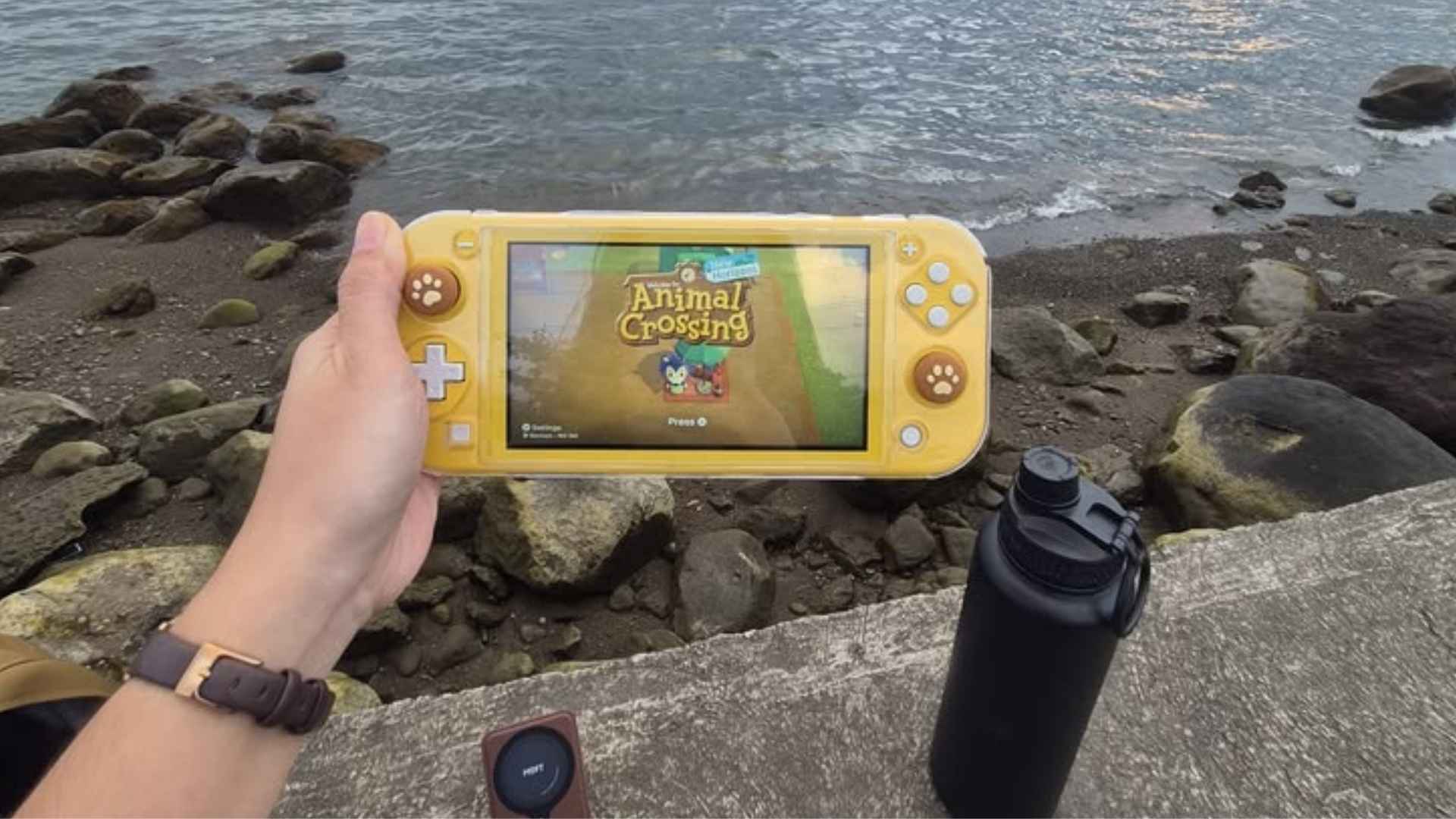
The global gaming scene has shifted heavily toward handheld platforms, transforming how players engage with strategic content on a daily basis. Instead of relying purely on luck or fast reflexes, modern titles place a massive emphasis on cognitive skills and analytical planning. Mobile card games featuring smart decisions have consequently risen in popularity, attracting a dedicated audience that values intellectual engagement over mindless tapping.
The Evolution of Tactical Choice in Digital Cards
Earlier iterations of mobile card games often leaned into simple mechanics and predictable outcomes to accommodate shorter play sessions. However, contemporary developers are designing intricate systems that demand deep foresight and complex resource management from the very first turn. Players must carefully evaluate the risk and reward of every action, ensuring that their immediate choices align with long-term victory conditions.
This structural evolution has turned casual pastimes into highly competitive environments where mental agility is the primary key to success. Balancing defensive utility with offensive capabilities requires a deep understanding of the active meta and opponent tendencies. For enthusiasts looking to explore advanced digital options, utilizing a dedicated portal like the m88 link 2 platform can provide seamless access to interactive entertainment hubs.
Deck Customization and Resource Allocation
At the core of any strategy-focused card game lies the intricate process of building a functional and synergistic deck. Successful players avoid simply accumulating rare assets, opting instead to design structured archetypes that mitigate unpredictability. By tailoring the deck composition to specific tactical preferences, gamers can reliably execute complex maneuvers during critical match moments.
In-game resource allocation serves as another major layer where deliberate planning directly determines the final outcome of a match. Most modern titles utilize scaling energy constraints that force participants to prioritize certain cards over others. Learning when to save valuable resources for a future turn rather than spending them immediately separates master strategists from casual participants.
Psychological Warfare and Adaptability
Beyond the visible mechanics of deck sizes and energy counters, digital card matchups frequently introduce a subtle element of psychological interplay. Bluffs, hidden traps, and unexpected card counter-picks force opponents to constantly question their own established formulas. Adapting to an opponent's shifting strategy mid-game is just as crucial as executing a pre-conceived opening sequence.
This dynamic ensures that no two matches unfold in the exact same manner, offering immense replay value to dedicated participants. Making analytical deductions based on partial information keeps the player's mind sharp and highly engaged. Overcoming a difficult scenario through superior tactical positioning remains one of the most rewarding aspects of the genre.
Community Engagement and Competitive Ladders
The global connectivity of modern smartphones allows strategy enthusiasts to test their capabilities against a diverse pool of international players. Regular seasonal tournaments, ranked matching systems, and community forums provide a clear framework for tracking personal skill improvement over time. Engaging with these digital networks exposes participants to fresh archetypes and innovative tactical theories.
Frequent balancing updates from developers ensure that the competitive landscape remains fair and continuously fresh for veteran players. Adapting to these regular mechanical shifts requires constant experimentation and a willingness to learn new deck combinations. This community-driven evolution guarantees that the intellectual challenge remains robust and appealing for years to come.